The dream of opening your own food service business—whether it’s a cozy bakery, a buzzing food truck, or a full-service restaurant—is exhilarating! You have the passion, the recipes, and the vision. But turning that culinary dream into a profitable reality requires moving beyond the kitchen and into the world of business strategy, compliance, and planning.
The question isn't if you can do it, but how to start right. Here is your essential five-step roadmap to launching your food service venture.
Step 1: Define Your Concept and Write a Business Plan
Before you sign a lease or buy an oven, you need a solid foundation. This is the moment to get brutally honest about your concept and its financial viability.
- Define Your Niche: What makes your food unique? Is it a specific cuisine, a unique service style (e.g., fast-casual, ghost kitchen), or a special focus (e.g., allergy-friendly, local sourcing)?
- The Business Plan: This document is non-negotiable, especially if you need funding. It must include:
- Market Analysis: Who is your customer? Who is your competition?
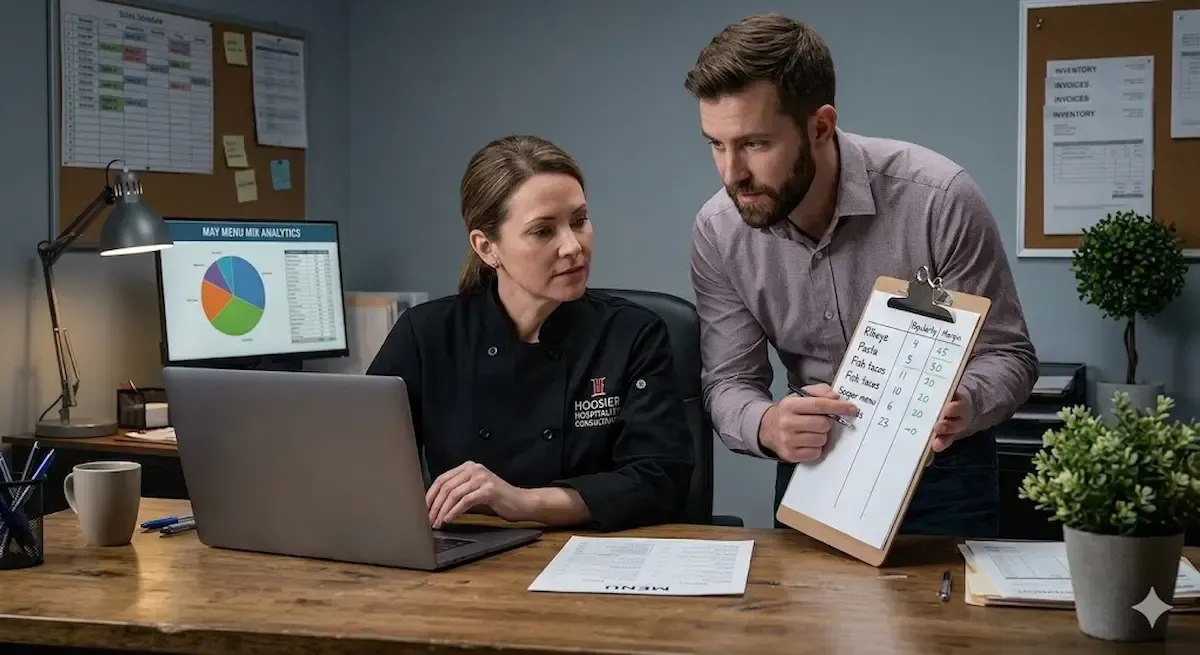
- Menu and Pricing: Detailed menu items and their costed pricing (to ensure profitability).
- Financial Projections: Startup costs, operational budgets, break-even analysis, and projected profit/loss statements.
- Management Structure: Who does what? (Even if it’s just you starting out.)
Why this matters: A thorough business plan forces you to think through every challenge and serves as the blueprint for securing investors or loans.
Step 2: Establish the Legal and Compliance Framework
This is the least glamorous but most crucial step. Operating legally requires compliance with local, state, and federal regulations.
- Choose a Legal Structure: Decide if you will operate as a Sole Proprietorship, LLC, S-Corp, etc. This affects your taxes and liability.
- Obtain Necessary Licenses & Permits: You will need, at a minimum:
- Federal/State Employer Identification Number (EIN).
- Health Department Permit: This requires submission of plans and often a pre-opening inspection. Do not proceed without communicating with your local Health Department.
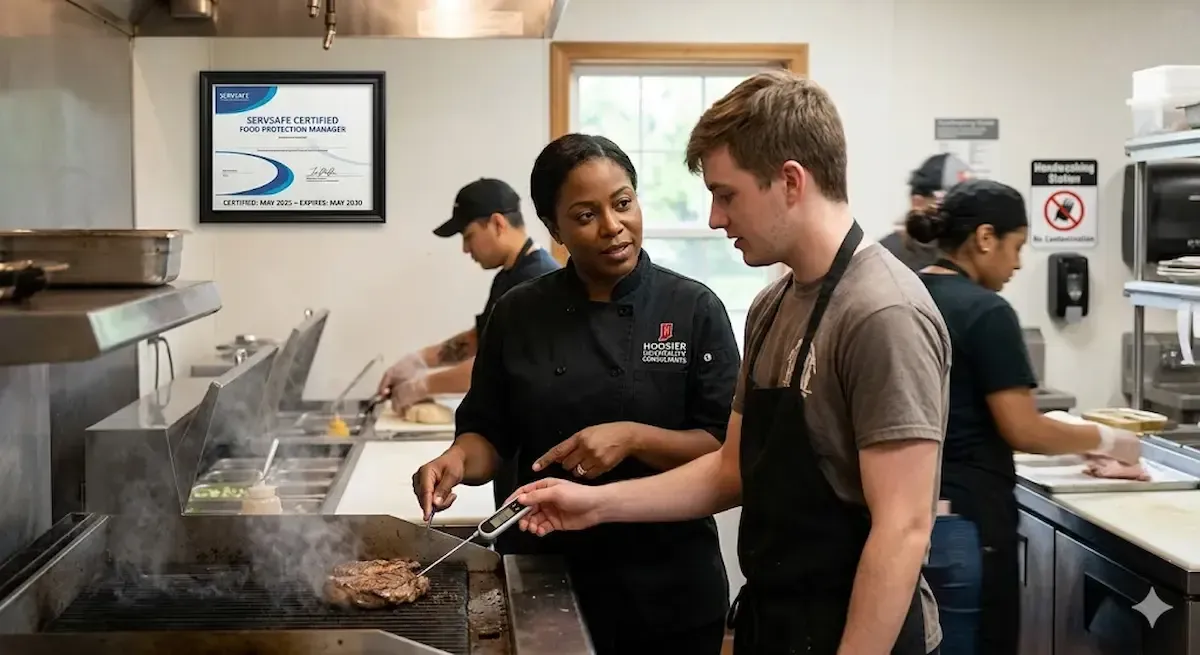
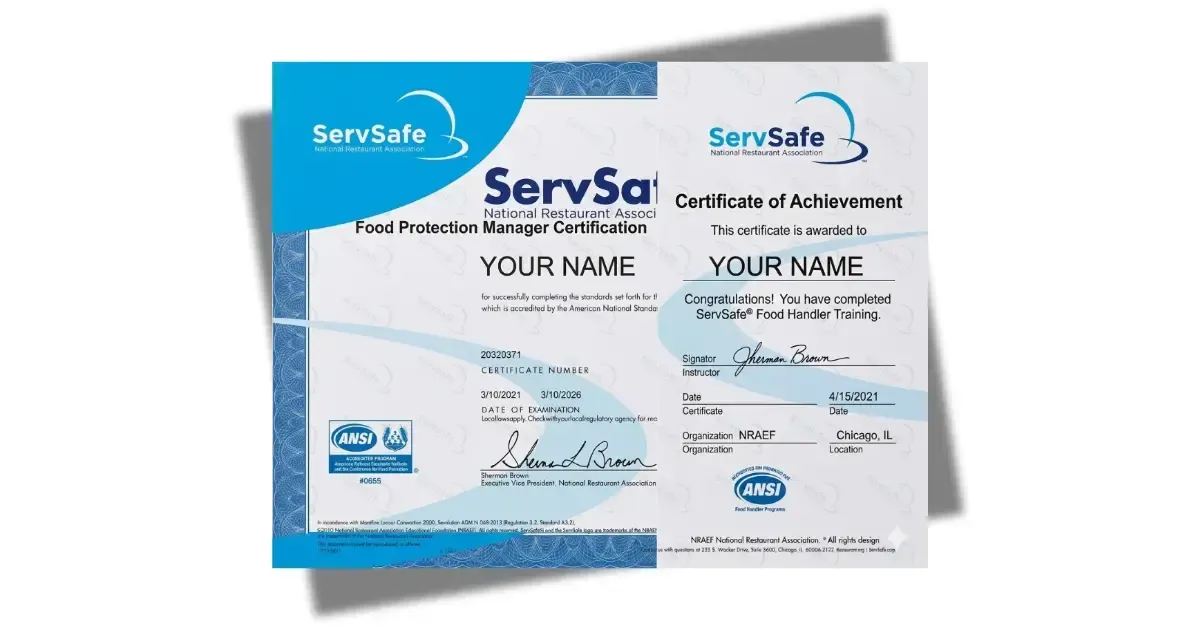
- Secure Food Safety Certification: In most jurisdictions, a manager or operator must be certified.
ServSafe Manager Certification is the industry standard and often a legal requirement before opening.
Where to start: Consult your local Health Department and local Chamber of Commerce first. They can provide the definitive list of permits required in your specific municipality.
Step 3: Secure the Location and Equipment
The physical space defines your operational limitations and your customer reach.
- Location, Location, Location: For brick-and-mortar or bakeries, analyze foot traffic, accessibility, parking, and proximity to competitors. For food trucks, determine your primary operating routes and commissary kitchen access.
- Leasing/Buying: Understand the terms. If leasing a commercial space, ensure the zoning allows for food service and confirm who is responsible for utility upgrades and maintenance.
- Equipment Sourcing: Purchase or lease the necessary equipment (ovens, refrigerators, POS systems). Always buy the highest quality equipment your budget allows—failures are costly!
Expert Insight: If you're building out a kitchen,
consulting with an operational expert before construction begins can save thousands by ensuring the layout is efficient, compliant, and maximizes workflow.
Step 4: Develop Operational Systems and Recipes
Your systems are what prevent chaos and ensure consistency once the doors open.
- Standardized Recipes: Create precise recipes that include every ingredient measurement, prep time, and serving portion. This controls food cost and ensures a consistent customer experience.
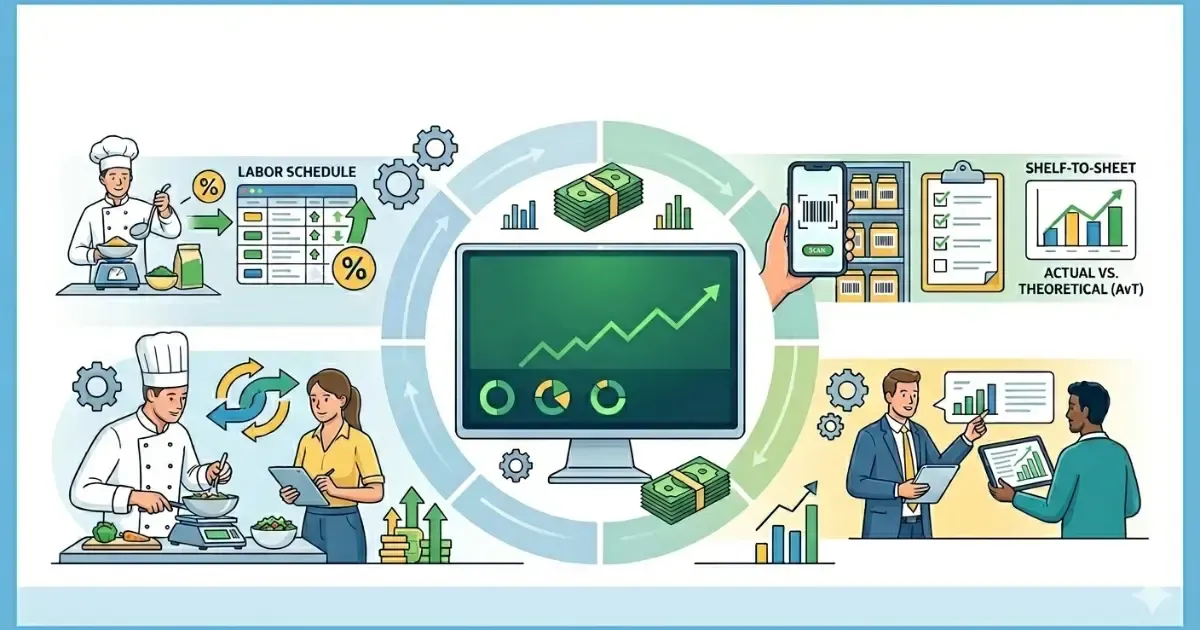
- Inventory and Supplier Chain: Establish relationships with primary and secondary suppliers. Implement a clear system for tracking inventory (like the FIFO method) to control waste and costs from Day 1.
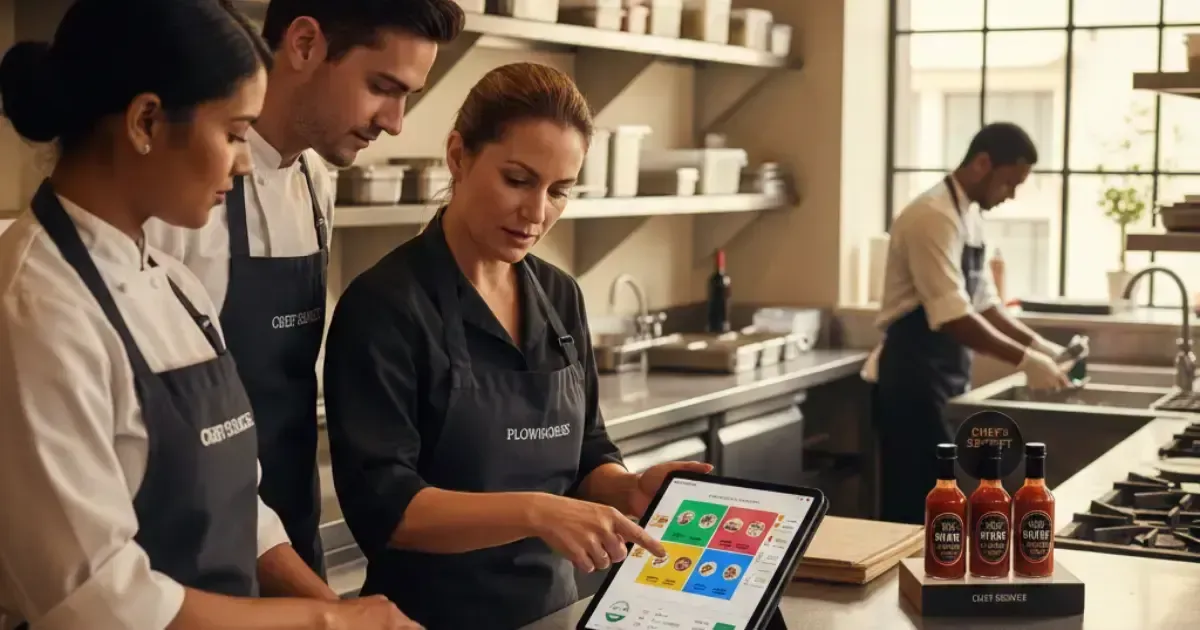
- Hiring & Training Plan: Define key roles. Develop a training manual covering everything from POS system use and customer service to detailed food safety and cleaning protocols.
Quality training reduces costly employee turnover.
Step 5: Marketing and Pre-Launch Hype
You can have the best product, but no one will know about it unless you market strategically.
- Build an Online Presence: Secure your name on social media (Instagram, Facebook) and set up a basic website for menus and hours.
- Engage Locally: Partner with local businesses or media outlets. If you're opening a food truck, do test runs or pop-ups.
- The Soft Opening: Before the official launch, hold a few private events with friends or family. This stress-tests your staff, systems, and kitchen flow in a low-risk environment.
Launching a food business is a monumental undertaking, but with planning, compliance, and dedication, you can turn your vision into a successful venture!
Ready to Turn the Key? Don't Start Without Us.
The journey from a great idea to a successful launch is filled with regulatory hurdles, financial planning, and operational setup. Trying to navigate health department requirements and establish cost control systems on your own can lead to costly delays and mistakes.
Don't start your business confused—start confident.
Our Services Can Help You Launch Successfully:
- Compliance: We provide essential
ServSafe Manager Training to meet all certification requirements before your health inspection.
- Operational Planning: Our
Consulting Services help you cost out your menu, design an efficient kitchen workflow, and establish the inventory systems you need to be profitable from Day 1.
Contact us
to schedule your pre-launch consultation today! We'll help you skip the confusion and build a secure, efficient foundation for your new business.