The restaurant industry has always operated on razor-thin margins, but today’s landscape feels particularly challenging. Between surging ingredient prices, rising labor costs, and utility hikes, the "old way" of doing business isn't just inefficient—it’s a recipe for closure.
However, being profitable isn't about charging $30 for a burger; it’s about
precision, psychology, and pivot-readiness. Here is how to protect your bottom line when costs are climbing.
1. Master Your Menu Engineering
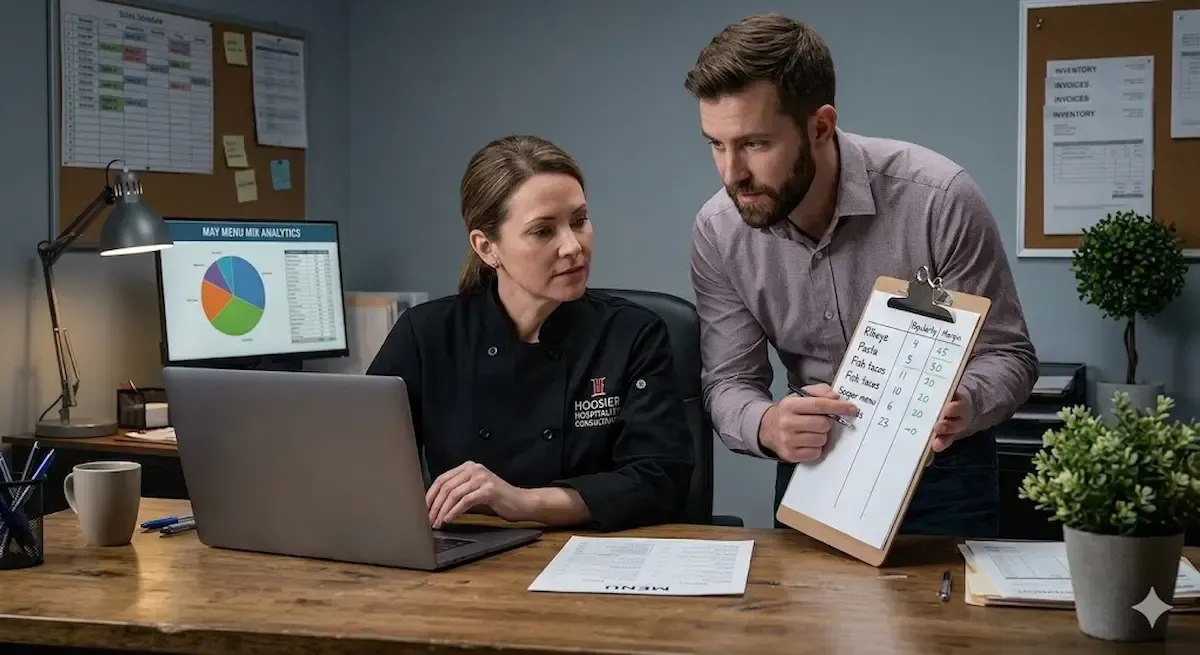
Your menu shouldn't just be a list of what you cook; it should be a strategic map designed to guide guests toward your most profitable items.
- The Matrix: Categorize every dish into four groups:
- Stars: High popularity, high profitability (Promote these).
- Plowhorses: High popularity, low profitability (Raise prices or reduce portion size).
- Puzzles: Low popularity, high profitability (Rebrand or reposition on the menu).
- Dogs: Low popularity, low profitability (Remove them immediately).
- Shrink the Menu: A smaller menu means less prep time, less waste, and better inventory turnover. Focus on "cross-utilization"—using the same high-quality protein or produce across multiple dishes.
2. Inventory: If You Can’t Measure It, You Can’t Manage It
Food waste is literally throwing cash in the dumpster. In a high-cost environment, "eyeballing" your stock is your biggest enemy.
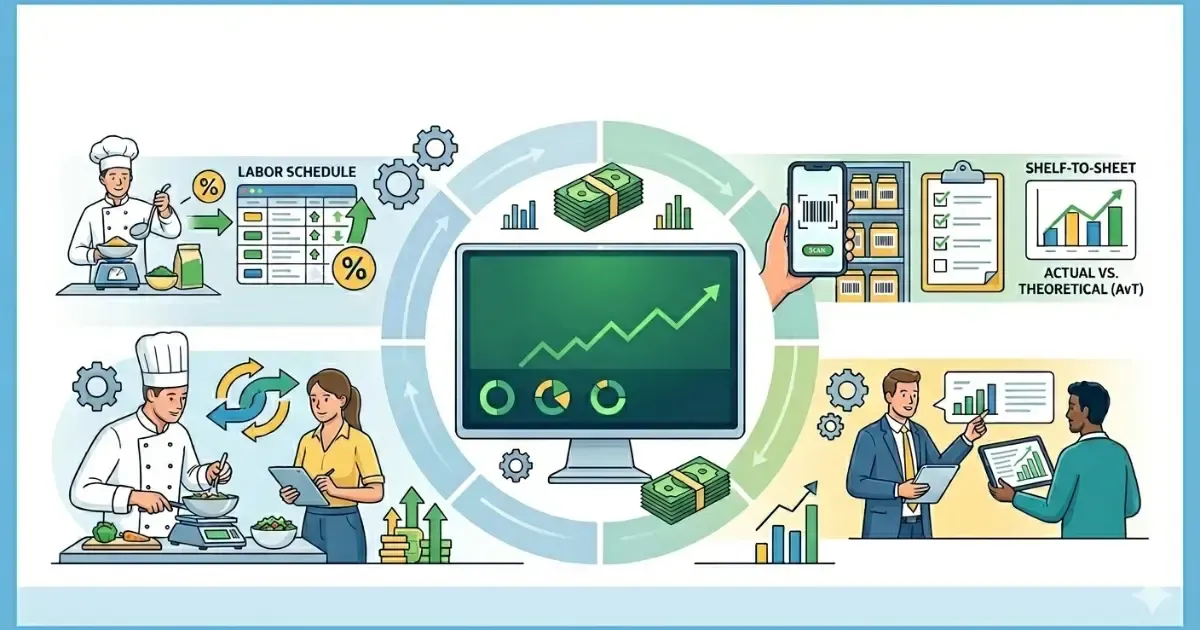
- Tighten the Tech: Use inventory management software that integrates with your POS to track theoretical vs. actual food usage.
- The "First In, First Out" (FIFO) Rule: This is basic, but often ignored during a rush. Ensure your team is trained to rotate stock religiously to minimize spoilage.
- Negotiate with Vendors: Don't be afraid to shop around. If one supplier’s poultry prices spike, ask your rep for alternatives or look for a secondary supplier to keep them competitive.
3. The New Labor Strategy
Labor is often a restaurant's highest expense. While you want to pay your staff a living wage to reduce turnover (which is incredibly expensive), you must optimize their time.
- Cross-Train Everyone: A server who can run food and a dishwasher who can prep vegetables makes your floor more resilient during call-outs.
- Review Your Scheduling: Use data to identify "dead zones." If you’re consistently slow between 2:00 PM and 4:00 PM, trim the staff or consider closing during those hours to save on utilities and labor.
4. Rethink Your Revenue Streams
If your four walls are your only source of income, you're capped. To combat rising costs, you need to find "found money."
- In-House Merch: Hot sauces, spice rubs, or branded apparel have high margins and act as free marketing.
- Direct Ordering: Third-party delivery apps can take up to 30% of your revenue. Incentivize customers to order directly through your website for pickup.
- Dynamic Pricing: Much like airlines, consider small surcharges for peak times or offer "Happy Hour" specials during slow periods to keep the kitchen moving.
The Bottom Line
Profitability in 2025 isn't about one giant change; it’s about a
1% improvement in ten different areas. By tightening your inventory, engineering your menu for margin, and maximizing your staff's efficiency, you can stay in the black even when the market is in the red.
Need help?
Contact us today!