As we head into the busy 2026 summer season here in the Hoosier State, I’m
getting a familiar influx of questions from new owners and expanding restaurant groups:
“Does Indiana law actually require me to have a certified manager on-site at all times?”
The short answer is
no, but as with anything in Indiana’s
Title 410 IAC 7-22, the details matter—and the stakes for non-compliance are higher than ever.
The Legal Requirement: Certified Food Protection Managers (CFPM)
In Indiana, nearly every "food establishment" is required to have at least one
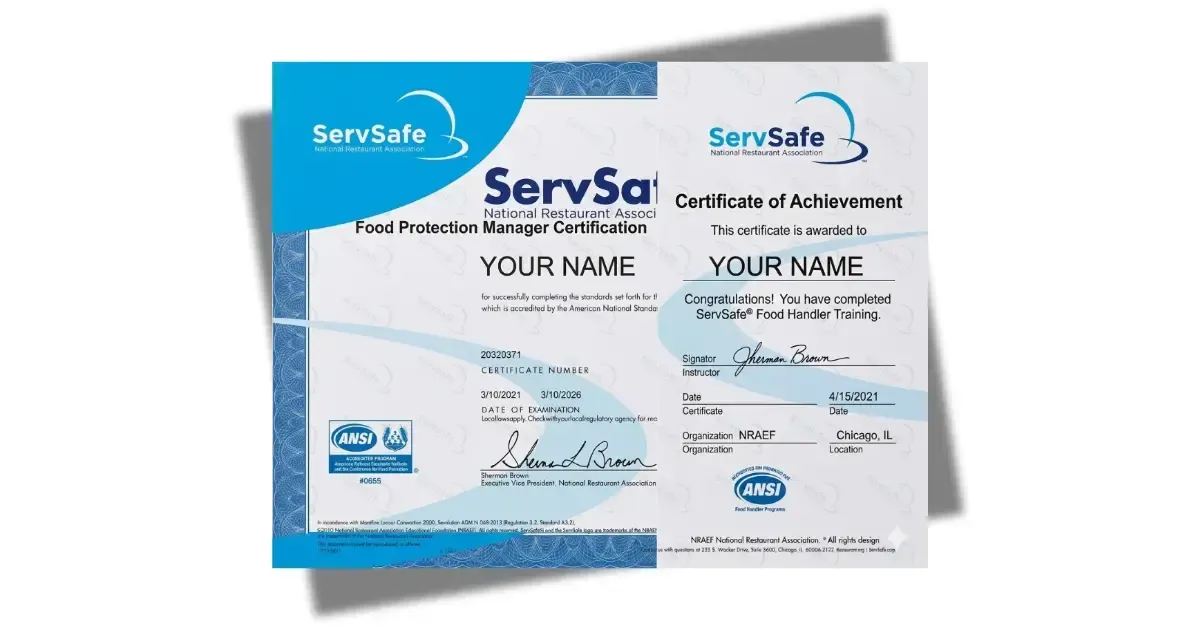
Certified Food Protection Manager (CFPM). This isn't just a recommendation; it’s a state mandate designed to ensure that someone with advanced safety knowledge is overseeing the operation.
- The Rule: You must have at least one employee who has passed an accredited examination (such as ServSafe, National Registry of Food Safety Professionals, or 360training).
- The Presence Factor: While the law doesn't strictly mandate that the one certified person be in the building 24/7, the establishment is always held responsible for food safety. If an inspector walks in and finds a critical violation while the CFPM is away, the "lack of knowledge" penalty becomes much harder to defend.
Are There Any Exemptions?
Not every hot dog stand or coffee shop needs a CFPM. Indiana provides exemptions for establishments that are considered "low risk." You generally
do not need a certified manager if your business:
- Only serves pre-packaged foods.
- Only performs "minimal food preparation" (like brewing coffee or heating pre-made snacks).
- Is a non-profit organization (though this varies by county—always check with your local health department in places like Marion or Hamilton County).
Why "One is None" in 2026
In my consulting practice, I tell clients that relying on a single CFPM is a massive operational risk.
- The 90-Day Grace Period:
Life happens—managers quit, or they move to different locations. Indiana law provides a safety net: if your only certified person leaves the employment of the establishment, you have 90 days to have a new person certified.
This gives you a three-month window to hire a new lead or put an existing team member through a program like ServSafe.
- The 2026 Regulatory Climate: Indiana health inspectors are increasingly focused on
Active Managerial Control. They want to see that safety isn't just a certificate on the wall, but a lived culture. Having multiple certified shift leads ensures that safety standards don't dip when the General Manager is off the clock.
- Insurance Incentives: Many commercial insurance providers in Indiana are now offering premium discounts for restaurants that can prove 100% of their management team is CFPM certified.
Local vs. State: The Hamilton/Marion Factor
While Indiana has state-wide requirements, local health departments can be more stringent. For example, if you are operating in
Carmel or elsewhere in
Hamilton County, the local inspectors are highly proactive regarding the
Food Code updates. They aren't just looking for the certificate; they are looking for the application of that knowledge—specifically regarding cooling logs and allergen awareness.
How to Get Compliant (And Stay There)
If you’re auditing your team this month, follow these three steps:
- Check Expiration Dates: CFPM certifications generally expire every five years. In the post-2020 hiring blur, many certificates are hitting their expiration dates right now in 2026.
- Post the Certificate: Indiana law requires your CFPM certificate to be "prominently displayed" or readily available for the inspector.
- Invest in "Shift Lead" Training: Don't stop at the GM. Get your Kitchen Managers and Floor Leads certified. It’s the cheapest insurance policy you can buy.
The Bottom Line
In Indiana, a Certified Food Protection Manager is a legal necessity for a full-service restaurant. But more than that, they are your first line of defense against foodborne illness and brand-damaging health department scores.
Unsure if your certification meets current 2026 Indiana standards? Don't wait for an unannounced inspection to find out.
Schedule your management team for a food safety certification class today!