

10 Restaurant Opening Checklist Mistakes to Avoid

Don Vita • August 24, 2026

Share this article

A restaurant opening checklist is a comprehensive strategic document that outlines every operational, financial, and legal requirement for launching a food service business. Failure often occurs when operators neglect granular systems, leading to inflated labor costs, compliance failures, and inconsistent service during the high-stakes first six months of operation.

Opening a restaurant is a monumental task that requires balancing artistic vision with cold, hard operational logistics. For many independent owners in Indiana, the transition from chef or visionary to a business operator is where the most significant challenges arise. Without a robust system in place, small details like grease trap maintenance or employee onboarding can quickly spiral into major setbacks that threaten the viability of the entire enterprise. Understanding where others have tripped is the first step toward building a resilient, profitable establishment.

What is a restaurant opening checklist?

A restaurant opening checklist is more than just a list of items to buy; it is a chronological framework that guides you through the complex web of permits, staffing, supply chain management, and service standards. It serves as your operational blueprint, ensuring that no critical task is forgotten in the chaos of a grand opening. A well-constructed checklist covers everything from the physical layout of your kitchen to the digital infrastructure of your point-of-sale system. For new operators, this document provides the structure needed to manage time effectively and allocate resources where they are most needed.

1. Underestimating the Real Cost of Labor

Many new operators look only at the hourly wage when calculating their labor costs. This is a critical error. In the first few months, labor is often higher due to the learning curve of new staff and the inevitable inefficiencies of new systems. You must account for training hours, payroll taxes, benefits, and the additional time required for staff meetings. Over-scheduling during the first week is common, but failing to have a system to scale back those hours based on real-time sales data can lead to a quick drain on your capital reserves.

2. Ignoring Local Indiana Health and Safety Codes

Compliance is not a suggestion; it is a requirement for survival. Many new owners wait until the last minute to review specific Indiana health department regulations. This delay can lead to failed inspections and postponed opening dates. Ensuring that your staff is properly trained through ServSafe® Certification is one of the most effective ways to avoid these compliance pitfalls. Food safety should be integrated into your opening checklist from day one, not treated as an afterthought during the final walkthrough.

3. Poor Workflow Design in the Kitchen

Efficiency in a commercial kitchen is determined by its layout. A common mistake is designing a kitchen that looks beautiful on paper but creates bottlenecks during a busy dinner service. If your line cooks have to cross paths with your dishwasher every time they need a clean pan, you are losing money. A professional Hospitality Consulting expert can help you analyze your floor plan to ensure that your workflow is logical, reduces physical strain on employees, and maximizes the speed of service without compromising quality.

Why do new restaurant systems fail early?

Systems fail when they are not documented or consistently enforced. Many owners believe that because they are on-site 80 hours a week, they can manage every detail through sheer force of will. However, this is not a scalable system. When the owner steps away, the quality often drops. Systems fail because they lack "checks and balances"—if there is no daily checklist to verify that the walk-in refrigerator temperatures were recorded, the task simply won't get done consistently. Reliability is the hallmark of a successful operation, and reliability requires repeatable processes.

Professional Chef Organizing Kitchen

4. Lack of a Formalized Training Program

Consistency is the lifeblood of the hospitality industry. New operators often make the mistake of "shadow training," where a new hire simply follows an existing employee for a shift. This leads to the transfer of bad habits and a lack of understanding of the brand's core values. A formal training program should include:

  • A written employee handbook outlining all policies
  • Technical training for POS and kitchen equipment
  • Customer service scripts and role-playing exercises
  • Food safety and sanitation protocols
  • Regular performance evaluations and feedback loops

5. Over-complicating the Menu for Launch

Ambition is great, but a 50-item menu on opening night is a recipe for disaster. Each menu item represents an inventory requirement, a preparation step, and a potential point of failure. New operators often try to please everyone, resulting in high food waste and slow ticket times. It is much better to launch with a condensed, high-quality menu that your team can execute perfectly every time. You can always add "limited time offers" later as you gauge customer demand and kitchen capacity.

6. Forgetting the Marketing and Community Launch

You can have the best food in Indiana, but if nobody knows you are open, your tables will remain empty. Many owners focus so heavily on the kitchen that they forget to build a digital presence. Your opening checklist must include a marketing strategy that begins at least three months before you open. This includes setting up your social media profiles, claiming your Google Business profile, and engaging with local food influencers. A strong launch requires momentum that starts long before the doors actually unlock.

Navigating Indiana Food Safety Compliance

For independently owned restaurants and food trucks in Indiana, navigating the legal landscape can be daunting. Each county may have slight variations in how they interpret state codes, especially regarding outdoor seating or mobile unit requirements. Staying compliant involves more than just passing an initial inspection; it requires ongoing vigilance and access to updated Resources . Creating a culture of safety within your team is the best way to ensure that you never run afoul of local inspectors or, worse, compromise the health of your guests.

Modern Restaurant Dining Room

7. Mismanaging Inventory and Suppliers

Inventory management is where profit margins are either protected or destroyed. New operators often over-order to ensure they don't run out of food, leading to significant spoilage. Conversely, running out of a signature item during the first week creates a poor impression on new customers. You need a system that tracks usage rates and sets "par levels" for every ingredient. Building strong relationships with local Indiana suppliers can also provide flexibility when you need an emergency delivery.

8. Inadequate POS and Technology Setup

Your Point of Sale (POS) system is the central nervous system of your restaurant. A common mistake is waiting until the week of the opening to program the menu and train the staff. If the POS is difficult to navigate, it will slow down your servers and lead to errors in the kitchen. Test your technology extensively. Ensure your Wi-Fi can handle both your internal operations and guest access, and have a backup plan for when the internet inevitably goes down during a rush.

9. Skimping on the Soft Opening

A soft opening is a dress rehearsal for your business. Many operators skip this or only invite family, who are often too kind to give honest feedback. A proper soft opening involves inviting a controlled number of guests to test your systems under real pressure. Use this time to identify bottlenecks in the kitchen, errors in the POS, and gaps in staff knowledge. It is better to fail in front of a small group of invited guests than in front of the general public on your grand opening night.

10. Failing to Document Standard Operating Procedures (SOPs)

If a process isn't written down, it doesn't exist. SOPs ensure that the restaurant runs the same way whether the owner is there or not. From how to close the registers to how to handle a customer complaint, every recurring task should have a documented procedure. This documentation becomes the foundation for your training and your accountability measures. It allows you to troubleshoot problems objectively rather than relying on guesswork or blame.

How can professional consulting help your startup?

Professional consultants provide the outside perspective that busy owners often lack. By leveraging years of experience in the Indiana hospitality market, a consultant can identify operational gaps before they become expensive problems. Whether you need help with process streamlining, staff training, or compliance audits, expert guidance ensures that your opening checklist is not just a list, but a roadmap to profitability. If you are ready to take the next step in your restaurant journey, feel free to Contact Us today.

Core Takeaways for Success

  • Prioritize documentation of every system and process from day one.
  • Ensure total compliance with Indiana health codes through staff certification.
  • Design your menu and kitchen workflow for maximum efficiency, not just aesthetics.
  • Use a soft opening to stress-test your systems before the public launch.
  • Maintain tight control over labor and inventory to protect your startup capital.

Building a successful restaurant requires a balance of passion and precision. By avoiding these ten common mistakes and implementing a robust opening checklist, you position your business to thrive in the competitive Indiana food scene. Focus on the systems, and the success will follow.

Recent Posts

Hands rinsing lettuce under a kitchen faucet in a bright sink area.
By Don Vita July 16, 2026
Protect your family during the Cyclospora outbreak. Learn how this parasite spreads, spot the symptoms, and master the steps to wash your produce safely.
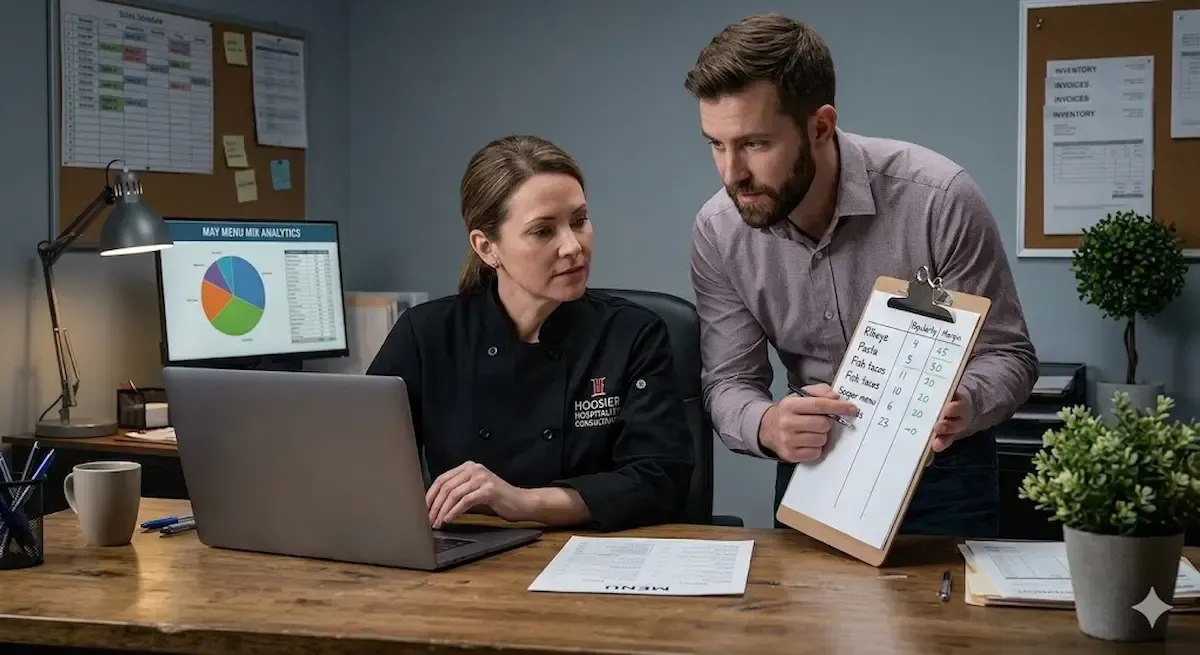
Two coworkers review charts at a desk, with a laptop, clipboard, and plant in an office.
By Don Vita June 16, 2026
Stop focusing only on food cost percentages. Learn how to use your POS data and menu mix matrix to cut waste, reduce labor, and boost actual cash profit.
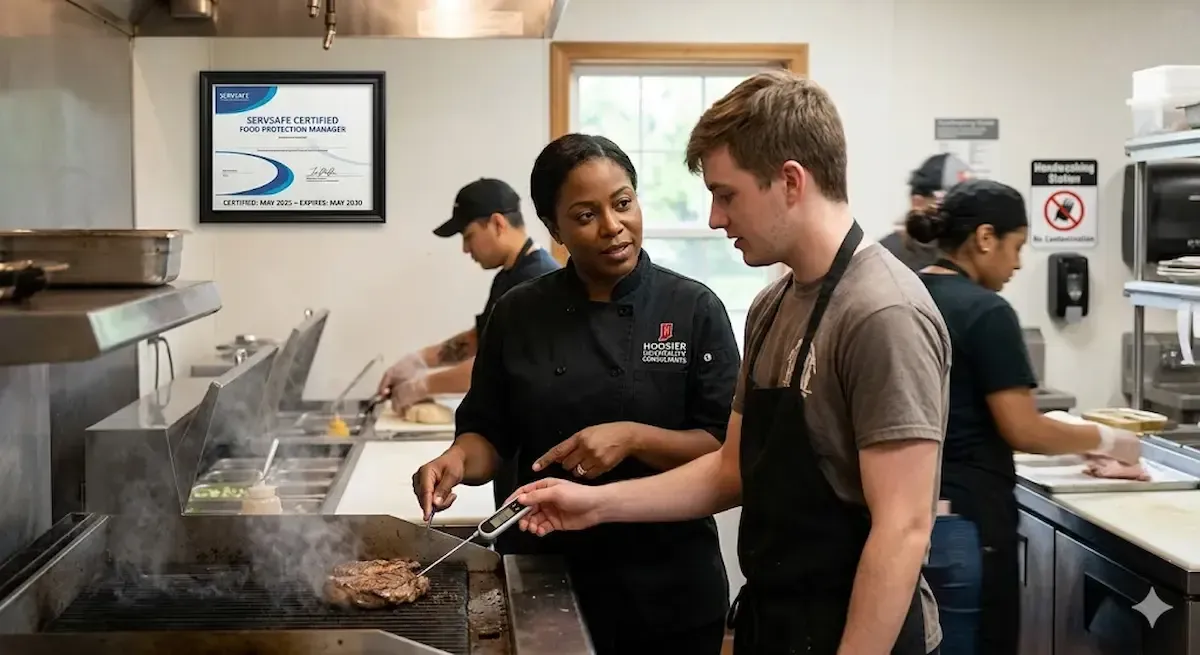
Two people talking beside a steaming grill in a busy restaurant kitchen
By Erin Vita May 7, 2026
Learn Indiana's food safety manager requirements: find out about the 90-day certification grace period and if a manager must be present at all times.
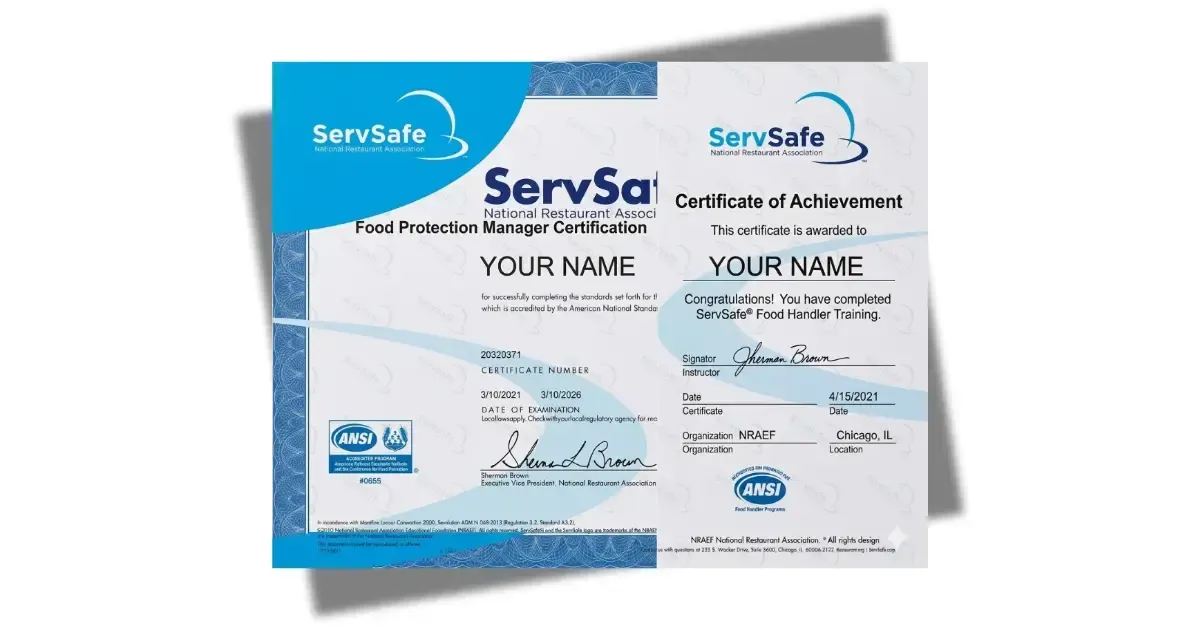
Two ServSafe food safety training certificates displayed side-by-side on a white background.
By Erin Vita April 7, 2026
Navigate Indiana’s food safety laws with ease. Learn the 2026 requirements for Food Handler vs. Food Manager certifications to keep your business compliant and safe.
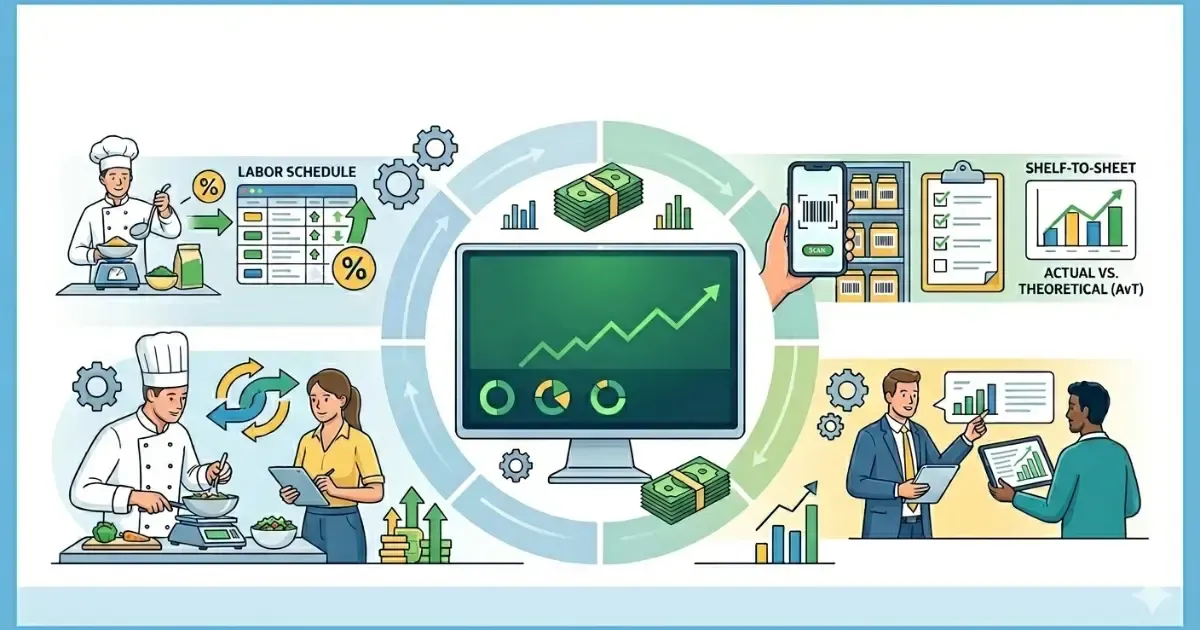
Workflow showing restaurant operations and financial growth, with chefs, data, and money.
By Don Vita March 2, 2026
Master the business side of food service. Learn how cost control, inventory systems, and expert coaching can transform your restaurant into a profitable powerhouse.
Man in suit using a holographic interface to analyze food truck operations. Several staff and a customer are present.
By Don Vita February 2, 2026
Boost profits and streamline your operations. Learn why a hospitality consultant is the secret ingredient for success in restaurants, food trucks, and catering
Chefs serving food at a community event; crowd watches. Street food table with a roasted ham and plates of food.
By Erin Vita January 14, 2026
Boost guest loyalty and your bottom line! Discover why community involvement is a vital 'bonus' for successful restaurants and how to build a brand locals love.
Chefs in a kitchen viewing a tablet, pointing. Display of hot sauces. Brightly lit, stainless steel.
By Don Vita December 30, 2025
Boost restaurant profitability despite rising costs. Learn to protect margins using menu engineering, inventory control, and strategic labor management today.

Woman with arms crossed, in front of a red food truck with a
By Don Vita December 4, 2025
Opening a restaurant? Avoid costly startup mistakes. Learn the crucial steps for licensing, financial planning, and food safety before you launch your business.

Two men at a hotel desk transitioning to a smart hotel room.
By Erin Vita November 25, 2025
Technology is transforming hospitality. Optimize operations and guest experiences with mobile check-in, IoT, and data analytics for stronger revenue growth.
Show More